

Nepal Moves to Develop New Energy Mix Framework to Achieve 30,000 MW Target
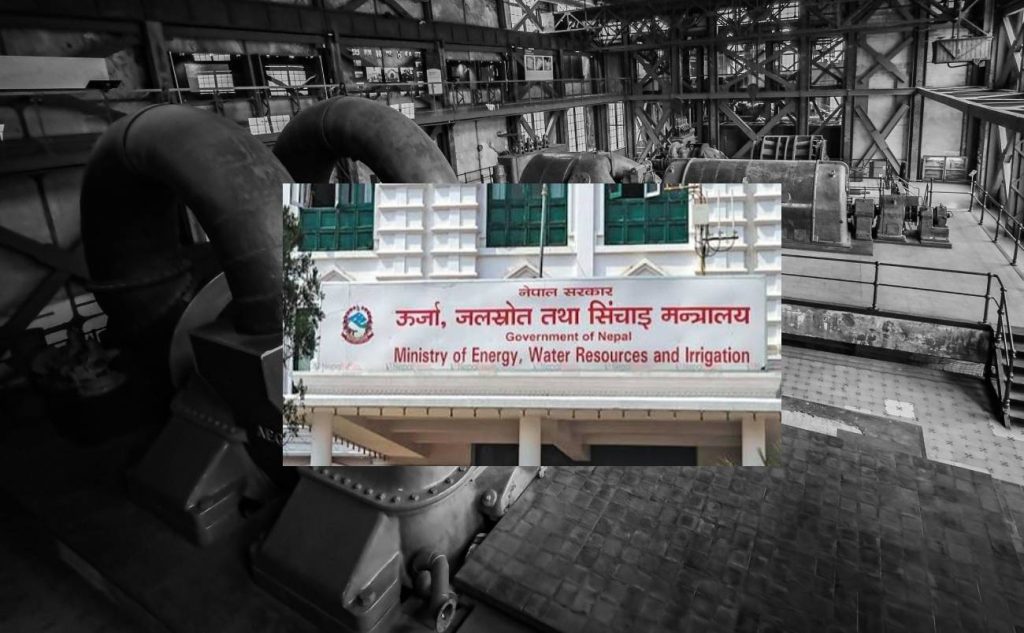
Kathmandu: The government has begun preparing a new energy mix framework as part of its plan to generate 30,000 megawatts (MW) of electricity within the next 10 years.
The Ministry of Energy, Water Resources and Irrigation is working on a framework that will determine the share of electricity to be generated from hydropower, solar, wind and other alternative energy sources.
According to the private secretariat of Energy Minister Birabhakta Shrestha, the new framework is expected to help resume the Power Purchase Agreement (PPA) process, which has remained largely stalled for some time. It will also establish a long-term plan for the types and capacities of energy projects Nepal will need over the coming decade.
The proposed framework will set production targets for run-of-river, peaking run-of-river, reservoir-based and pumped-storage hydropower projects, along with solar, wind and other alternative energy sources.
Nepal currently has an installed electricity generation capacity of around 4,200 MW, with most of its electricity coming from run-of-river hydropower projects. These projects generate more electricity during the rainy season and less during winter, creating seasonal imbalances in supply. The government therefore sees diversification of energy sources as necessary to ensure a more reliable electricity supply throughout the year.
Previously, Nepal’s energy mix was designed around a generation target of 15,000 MW. However, with the government now aiming for 30,000 MW, the existing framework is considered insufficient to meet the country’s long-term energy requirements.
The National Energy Crisis Mitigation Plan and Electricity Development Decade (2016–2026), introduced in 2016, first established generation targets for different energy sources. It aimed to allocate 40 to 50 percent of electricity generation to reservoir-based and pumped-storage projects, while peaking run-of-river projects were expected to account for 15 to 20 percent.
A later framework based on the 15,000 MW target allocated 30 to 35 percent to reservoir-based and pumped-storage projects, 25 to 30 percent to run-of-river projects, 30 to 35 percent to peaking run-of-river projects and 5 to 10 percent to other alternative energy sources. Solar power was also proposed to account for around 10 percent.
In June 2022, the Cabinet increased the share of run-of-river projects to 40–45 percent, following which the PPA process moved forward under the revised arrangement. The Nepal Electricity Authority’s board subsequently approved PPAs for run-of-river projects with a combined capacity of up to 1,500 MW.
However, the introduction of the ‘Take and Pay’ provision for run-of-river projects through last fiscal year’s budget further affected the PPA process. Since then, PPAs for both run-of-river and peaking run-of-river projects have remained on hold.
According to the Nepal Electricity Authority, PPAs have so far been signed with 404 run-of-river projects with a combined capacity of 6,713.44 MW, 51 peaking run-of-river projects totalling 4,186.81 MW, and one reservoir-based project with a capacity of 140 MW.
Meanwhile, a total of 281 additional projects, with a combined generation capacity of 16,425.77 MW, are waiting for PPAs.
The delay in signing PPAs has affected financial arrangements for project development. Banks and financial institutions generally require assurance that the electricity generated will be purchased before providing loans. As a result, PPAs are considered a key requirement for securing investment and moving projects towards construction.
The new energy mix framework is expected to provide greater clarity for investors, help restart the PPA process and encourage private-sector investment, project development and job creation.
The government is also planning to give greater attention to alternative energy sources. Until now, Nepal’s electricity generation strategy has largely focused on hydropower. Although solar energy has gradually expanded, electricity generation from wind power remains negligible.
Heavy dependence on hydropower has also created challenges during the winter months, when river flows decline and domestic production falls. Nepal has consequently had to import electricity from India to meet demand.
By incorporating solar, wind and other alternative sources into the national energy system, the government hopes to reduce this seasonal dependence. The ministry is currently studying the potential and generation capacity of these energy sources.
A balanced energy mix could help manage electricity supply during both the rainy and dry seasons. Reservoir-based and pumped-storage projects can store water and generate electricity when demand is high, while solar and wind power can diversify generation sources and supply periods.
Once the new framework is finalised, the Nepal Electricity Authority will be able to move forward with PPAs based on the nature and requirements of individual projects. This could allow thousands of megawatts of projects currently awaiting investment and agreements to move towards development.
However, achieving the 30,000 MW target will require more than simply expanding generation capacity. Increasing domestic electricity consumption, strengthening transmission infrastructure and expanding cross-border electricity trade will also be essential.
As Nepal explores opportunities to export electricity to Bangladesh in addition to India, a more balanced energy mix could help increase exportable power and create further opportunities to earn foreign currency through electricity trade.


सम्बन्धित समाचार
-
 Nepal Begins Process to Declare 213 Missing Indians Dead After Bhotekoshi Floods
-
 Mostly Clear Weather Expected Across Nepal, Fog Likely in Tarai
-
 Two Arrested in Morang Rape and Assault Case Involving 14-Year-Old Girl
-
 Rastriya Swatantra Party to Launch Policy and Leadership Training Across Seven Provinces
-
 Trump Announces New Tariffs on Imports from 14 Countries and Regions
-
 One Dead, 13 Injured in Jeep-Tractor Collision in Nawalpur
-
 Delta Air Lines System Outage Delays More Than 2,000 Flights Across the US
-
 India Offers Special Economic Package to Nepal as PM Balen Shah Meets Narendra Modi
-
 Gold and Silver Prices Decline Further in Nepal
-
 Nepal Set to Play Historic 100th ODI Against UAE, Eyeing 50th Victory
-
 Saroj Kumar Yadav Sworn In as Chief Minister of Madhesh Province
-
 Biraj Bhakta Shrestha Appointed Acting Prime Minister as PM Balen Heads to India
Leave a Reply